SCO & BRICS latest news and insights
By Rhod Mackenzie
Equinor, the Norwegian energy company formerly known as Statoil, has signed a 10-year contract with German state energy company SEFE. The contract requires Equinor to supply 111 TWh (10 billion cubic meters) of natural gas annually from January 1, 2024 until 2034 at a fixed price...
By Rhod Mackenzie
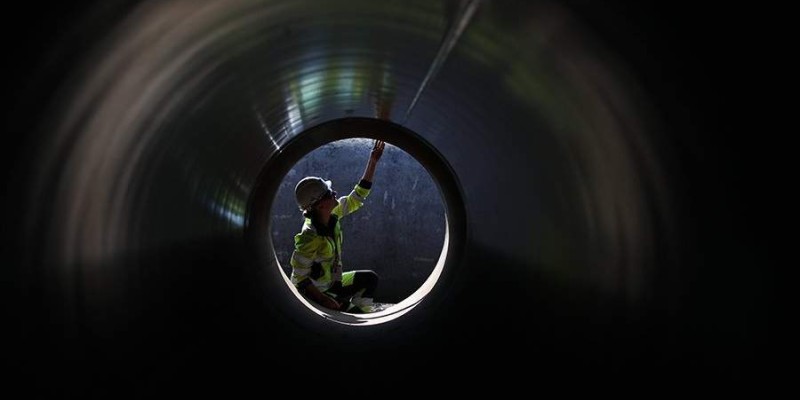
The German Chancellor Olaf Scholz has accused Russia of severing energy ties with Europe and has blamed Moscow for the all the problems that Germans' currently face. Why cannot the German authorities admit their own responsibility? And how do ordinary Germans respond to such "po...
By Rhod Mackenzie
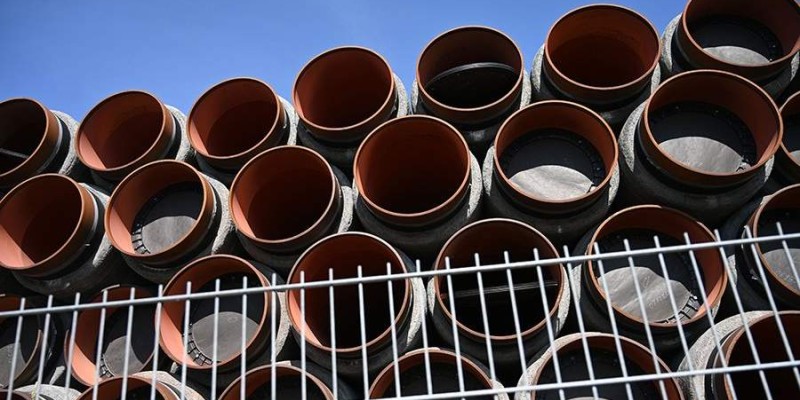
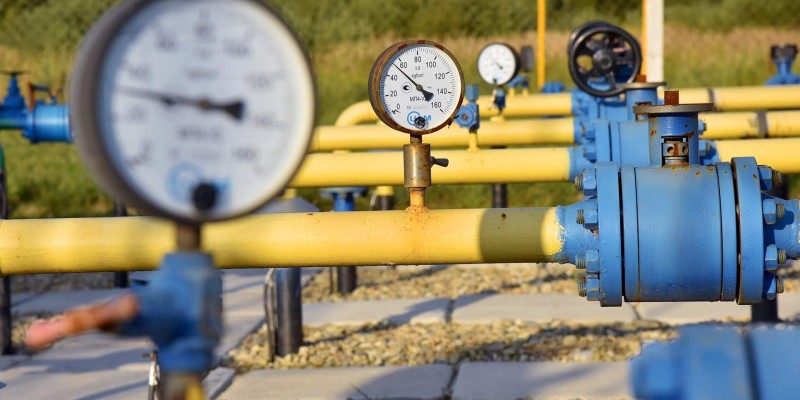
"Europe's energy crisis is over," states a recent article published by British news agency Reuters. The article is supported by several graphs, conveying a sense of stability within the energy market. Analysts from the agency cite the decline in energy prices, particularly in gas...
By Rhod Mackenzie
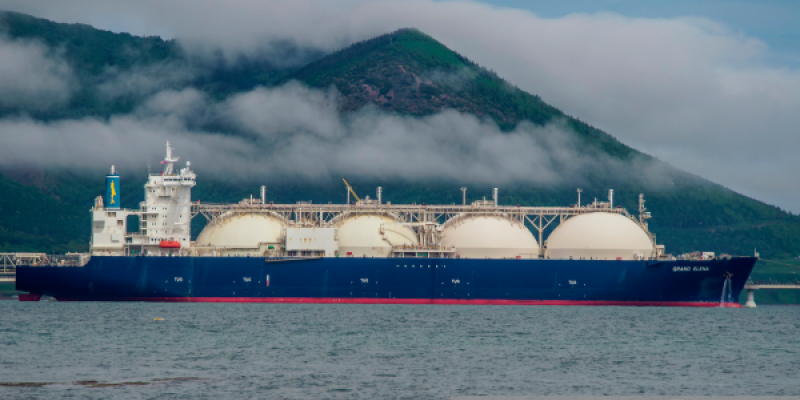
Last year's energy crisis had an impact on Europe, according to Michael Lewis, who has been leading Uniper, one of Germany's major energy companies, since July 1. In an interview with Bloomberg Television, the executive director of Uniper mentioned that although the underground g...
By Rhod Mackenzie
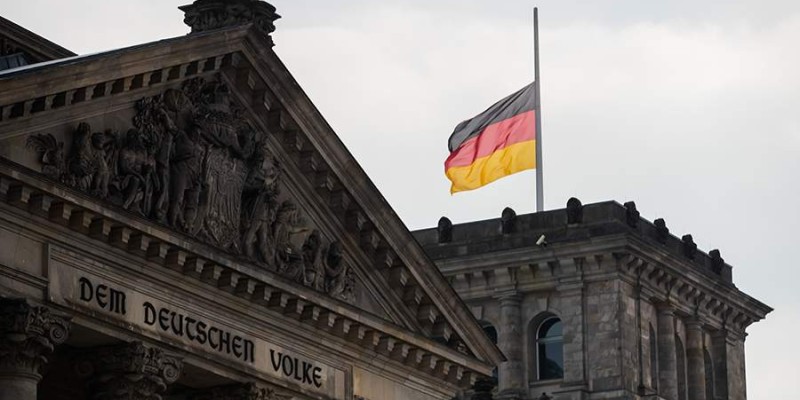
Economists have been sounding the alarm for years now, saying that the "debt brake" mechanism, which was introduced into the German Constitution 14 years ago, is a ticking time bomb. In light of the Constitutional Court's recent decision on a crucial budgetary matter, the mechani...
By Rhod Mackenzie
Europe has officially acknowledged its member economies face a significant economic downturn: by year-end, GDP will decrease in ten EU member states. These include not only “lagging behind” nations, such as Poland, Lithuania and Latvia, but also some of the leading leading econom...